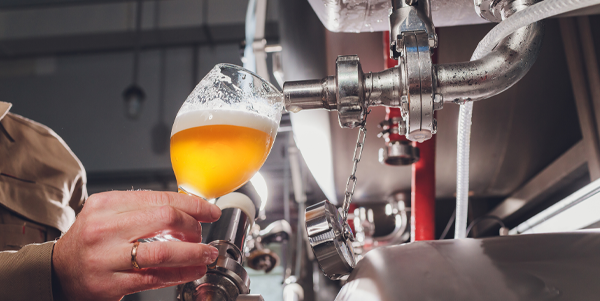
The Client operated an innovation-focused pilot brewing facility but faced persistent challenges in achieving consistent, safe, and energy efficient wort boiling. Their steam delivery system, kettle configuration, calandria performance, and condenser setup were not functioning cohesively, resulting in unstable steam flow, boil overs, inefficient vapor management, and increased operator oversight. These issues limited process reliability, compromised product consistency, and introduced unnecessary operational risk. They needed a specialized technical evaluation to pinpoint root causes and identify practical, high impact improvements.
First Key conducted a comprehensive on site assessment of the brewing system, combining equipment inspection, operational trials, and precise process analysis. The team evaluated steam flow requirements, valve sizing, and control strategies while testing manual and modulating valve configurations to stabilize thermal performance. We reviewed kettle and calandria design, including sealing side ports to enhance wort circulation and boil vigor. In parallel, First Key examined condenser functionality and recommended automation of coolant flow and controlled air intake to strengthen vapor recovery and energy efficiency. Every observation was documented and translated into a clear set of corrective actions paired with recommended equipment modifications and process enhancements.
The Client achieved more consistent steam management, significantly reducing boil overs and manual intervention requirements. Condenser improvements supported enhanced energy recovery and safer vapor handling. Recommendations for permanent design upgrades, including calandria port sealing and lauter tun false bottom replacement, created a roadmap for long term optimization. The Client gained a more reliable, industry aligned brewing system and identified opportunities to boost efficiency, reduce operational risk, and support scalable innovation within their pilot facility.