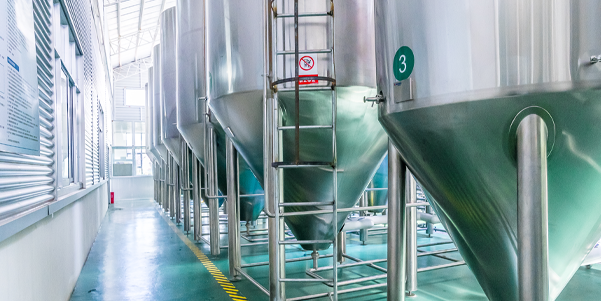
The Client, a regional brewery, had been facing a critical growth constraint: its existing operation could no longer keep pace with rising demand across both beer and ready-to-drink products. While market momentum remained strong, the brewery’s fermentation and maturation capacity had become the primary bottleneck, putting future growth targets at risk. At the same time, increasing product brand and sku complexity, manual RTD processes, and underperforming packaging assets were eroding efficiency and creating added dependence on third-party co-packers. Growth was reducing overall profitability. Without a clear technical roadmap, the Client risked constraining profitability from its core brands and skus, due to emerging growth in more complex products.
First Key conducted a comprehensive Brewery Technical Review and built a forward-looking Capacity Model tied to the Client’s five-year production forecast. We assessed the operation end to end across quality, safety, process flow, equipment capabilities, and operational bottlenecks. Then we translated those findings into a strategic plan which included both capital upgrades and operational changes. Our work identified targeted actions to introduce high-gravity brewing to unlock additional brewhouse capacity, expand fermentation and bright beer tank capacity, streamline RTD production, and raise packaging throughput. First Key also developed practical recommendations to improve can-line performance and reduce manual handling for mixer-packs through a dynamic model that showed the sku mix impact on line speed. The Client received a sequenced and financially grounded pathway to scale output in a way that addressed complexity while protecting operational flexibility.
• 43 actionable recommendations across safety, quality, cost savings, capacity, and business viability.
• Increased brewery capacity by 35%
• 18 capacity-focused initiatives to remove production bottlenecks.
• RTD growth plan to support a rise of nearly 4x over five years
• Packaging improvements to lift can-line effectiveness from 60% OEE toward 75%
• 200% increase mixer-pack throughput